
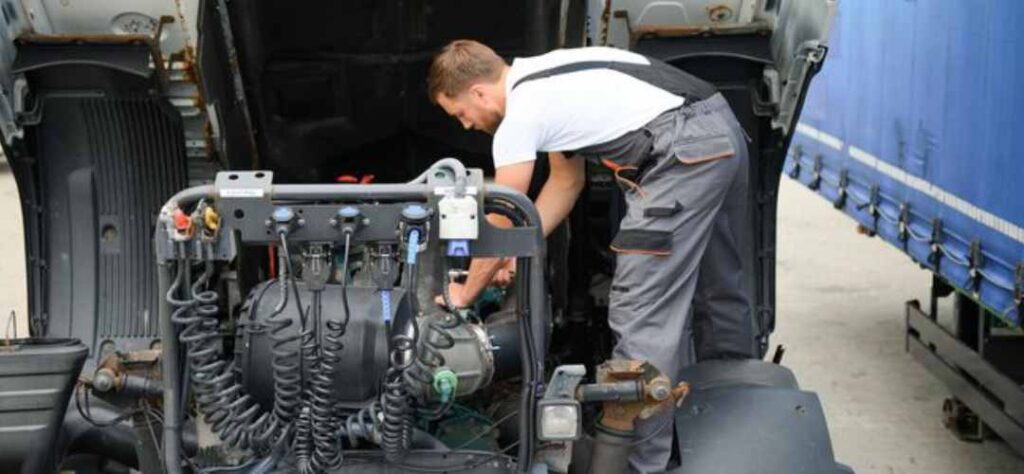
Hearing that faint hissing sound near your dash gauges spells trouble during a long cross country haul. Pneumatic pressure loss ruins your stopping power and leaves your rig stranded on the interstate shoulder. Truckers rely on BBN TRUCK TRAILER REPAIR to patch broken lines and test complex brake valves before minor issues snowball. Catching escaping pressure early stops roadside breakdowns and keeps your delivery schedule on track. Booking timely Truck and trailer repair in Indianapolis, IN restores safe stopping distance and protects your commercial CDL license from costly state inspection tickets. Proper maintenance keeps big rigs rolling safely.
Monitoring Gauge Pressure Drops
Watching your dashboard air needles drop rapidly while parked indicates a major pressure leak somewhere in the system. Drivers should perform daily pre trip inspections by listening closely around glad hands and wheel chambers. Fleets trust professional Trailer repair in Indianapolis, IN to replace cracked rubber hoses and loose fittings before they snap completely. Spraying soapy water over line connections helps pinpoint tiny bubbles escaping under heavy operating pressure. Catching these hidden flaws saves hours of downtime out on busy freight routes. Regular air system checks guarantee your brakes engage instantly when stepping down hard.
Inspecting Brake Chamber Diaphragms
Rubber bladders inside heavy duty brake chambers dry out and crack after years of exposure to road salt. When these internal membranes tear, compressed air vents directly into the atmosphere instead of pushing shoes outward. Expert mechanics specializing in Truck and trailer repair in Indianapolis, IN use specialized tools to test holding capacity and check for internal valve leaks during routine maintenance visits. Swapping out worn chambers prevents unexpected spring brake lockups while rolling down fast highway lanes. Healthy components ensure your rig handles emergency stops without pulling dangerously to either side. Reliable parts keep cargo secure and drivers confident.
Testing Glad Hand Seals
Rubber grommets inside connection couplings wear down over time, letting pressurized air escape between trucks and pulled cargo boxes. Drivers should check these red and blue connector seals for cracks every time they hitch up a new load. Technicians swap out flattened gaskets instantly to maintain maximum pressure throughout the entire vehicle combination. Keeping connector faces clean prevents dirt and moisture from jamming internal valves during freezing winter storms. Securing tight air links eliminates annoying pressure drops that trigger dashboard warning buzzers. Proper connection care protects your entire pneumatic braking layout.
FAQs
Why does my low air buzzer sound right after starting the engine?
Moisture freezing inside your storage tanks blocks normal pressure buildup during cold winter mornings.
How often should mechanics test commercial brake lines?
Getting your pneumatic system pressure checked every month catches rotting rubber hoses before they blow out.
Can bad slack adjusters cause air pressure loss?
Worn mechanical internal gears force chambers to overextend, leaking air through stretched rubber seals.